No items found.
Expansion vessels are a vital part of pressurised hot water systems. When water heats up, it expands, which poses a risk to pipework and other components. The expansion vessel provides space for the water to expand safely, preventing damage to other parts of the system while maintaining pressure.
Diaphragm - uses a flexible diaphragm to allow expanding water to compress air in the top of the vessel
Bladder - a balloon-like bladder inside the vessel fills with water and expands as needed
Flow through - a vessel with an entrance and exit at opposing ends, and a flexible internal membrane between them, which expands outwards when water heats up
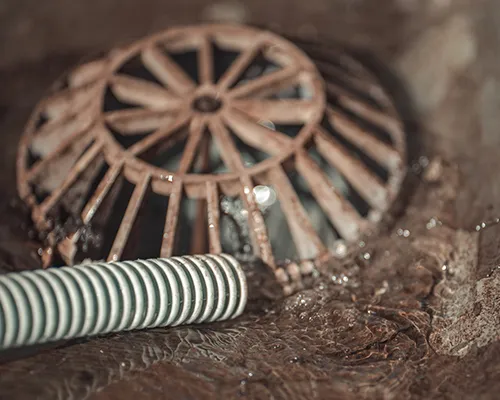
Over time, expansion vessels can accumulate dirt, grime and sludge and create growing conditions for Legionella and other bacteria. Expansion vessel flushing is the process of cleaning the inside of an expansion vessel. The whole unit is essentially washed internally to remove any build up and prevent the growth of bacteria.
Flushing is a core part of expansion vessel maintenance, along with routine diaphragm replacement.
Expansion vessels are highlighted in HSG274 as a potential environment for bacterial growth:
“Expansion vessels in systems operating at steady temperature and pressuremay have long periods without exchanging any significant amount of water andtherefore can be at risk of aiding microbial growth.”
Regular flushing helps prevent the growth of harmful microbes inside vessels and ensures the water inside is routinely and completely replaced to avoid stagnation. Expansion vessel flushing is a vital part of Legionella control in hot water systems. Therefore, it’s required in order to maintain compliance with HSE guidance including ACOP L8 and HSG274 as well as key legislation such as the Health and Safety at Work Act.
The HSE lists a few steps that can be taken to minimise the risk of bacterial growth in expansion vessels:
Install them in cool parts of the system
Mount your vessel as close as possible to the incoming water supply
Situate it vertically to reduce material accumulation
Include an isolation and drain valve to make flushing and sampling easier
Always aim to minimise the amount of fluid retained in the vessel
Choose a vessel that is designed to stimulate internal water flow
Above all else, the best way to keep your expansion vessel free from harmful bacteria, including Legionella, is to schedule regular expansion vessel flushing with a trusted provider.
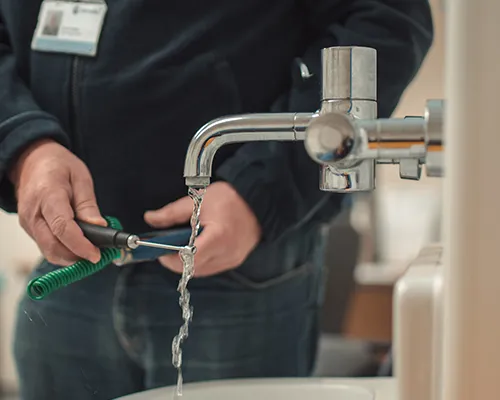
Expansion vessel flushing begins with isolating and draining the unit to remove any existing fluid. The whole vessel is then flushed to wash out any built up debris or sludge. This not only helps prevent bacteria growth but ensures the vessel is performing at its best.
EMS Water is an award-winning water hygiene consultancy, providing expansion vessel flushing to clients from all industries across the UK. Our expert team can help you ensure compliance with strict legal requirements and keep your hot water system working at peak efficiency.
We are based in Hereford in the Midlands, but can easily serve clients nationwide including in Manchester, Shropshire, Liverpool and more. As well as expansion vessel maintenance and flushing, we also offer a range of Legionella compliance services such as Legionella risk assessments and Legionella disinfection treatment.
For a free quote, just call our team on 0800 358 1100, email us at info@emswater.co.uk or fill out our contact form.